
Sailing to Byzantium: 6 Prominent Symbols
Symbols in “Sailing to Byzantium” by W.B.Yeats are best understood in terms of the ways in which Yeats negotiated with the anxieties of both personal and social implications of modernism. The prominent symbols help to add multiple dimensions to the poem, enriching the central theme of quest for immortality. Six of the most important symbols […]
“An Introduction” by Kamala Das : A Detailed Analysis

An Introduction Indian writing in English, as a genre, is characterised with a multiplicity and variety when it comes to themes and modes of representation. Kamala Das is one of the many distinguished voices of the subcontinent, known for her impassioned responses against oppression and subjugation of woman in the Indian context. Her poem “An […]
Analysing Sonnet 73: “That time of year thou mayst in me behold” by William Shakespeare
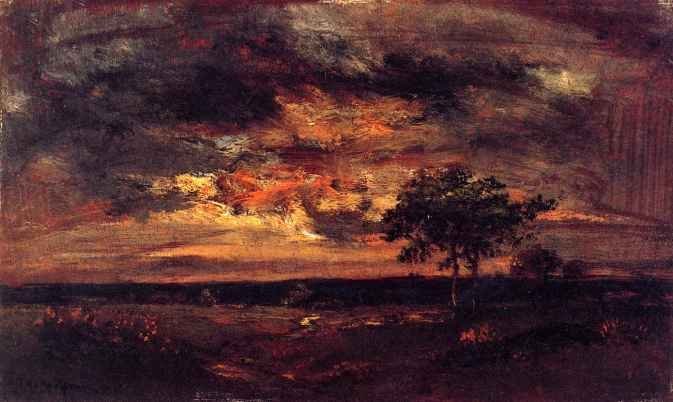
Shakespeare’s Sonnet: Introduction Sonnets are invariably personal. Intense subjectivity is found to form a key character in sonnet writing. Regarding the personal character of Shakespeare’s sonnets, there is, no doubt, a host of controversies, yet their subjective notes are neither ignorable nor disputable. In some of them, Shakespeare’s personal moods and feelings are remarkably intense […]
Odes by John Keats: Dominant Themes and Images

The odes by John Keats, on the level of superficial reading, may be seen as brilliant rendering of a scene, a season or a mood; the final perfection of English landscape poetry. His urge to establish such a balance is carried out through the trilogy of odes namely “Ode to Nightingale”, “Ode on a Grecian […]
Innocence and Experience: William Blake’s Concept of Contraries

In his attempt to communicate his essential divine vision, William Blake created a poetic world where images are realized in their individual contexts and the contexts are realized in the unique Imagination of the poet. Blake’s philosophy asserts, more than anything else, the contrariety of systems with regard to human soul and other objects of […]
Belinda in The Rape of the Lock : Pope’s Critique of Feminine Follies
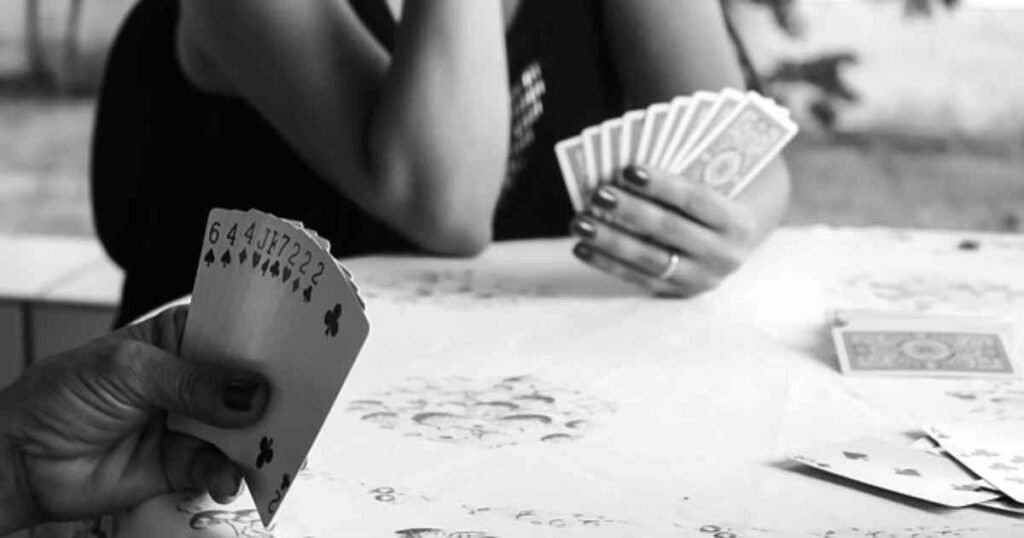
The Rape of the Lock, a mock heroic epic by Alexander Pope, is both a careful exploration of the contemporary social follies and a representation of the inner fabrics of the feminine mind. However, it would be wrong to say that Pope was entirely engrossed in the question of his heroine’s divine beauty. He rather […]
Replacement Warranty
A lonely man on the highway broad hitchhiking horse drawn carts, and the toll man stretches out His fingers sharp as darts. “I am just a hitchhiker” “But on my road you ride” “I have no purse”, said hitchhiker “I would kill you if you lied”. The driver of the carriage old came out then […]
Loving in Truth by Sir Philip Sidney : A Critical Appreciation

Loving in truth, and fain in verse my love to show,That she, dear she, might take some pleasure of my pain,—Pleasure might cause her read, reading might make her know,Knowledge might pity win, and pity grace obtain,—I sought fit words to paint the blackest face of woe;Studying inventions fine her wits to entertain,Oft turning others’ […]
Porphyria’s Lover by Robert Browning as a Dramatic Monologue

Porphyria’s Lover by Robert Browning is an extraordinary poem in the form of a dramatic monologue. The poetry of Robert Browning exemplifies a dominant and perhaps the most original tendency of the Victorian times: the craving for analysis and moral criticism. It is a deep rooted intellectual curiosity which merges into a systematic quest of […]
Kubla Khan by Coleridge : A Fragment or A Coherent Whole

Kubla Khan by Coleridge records an opium-induced dream, interrupted by a visitor from Porlock. The poem has been taken to be a beautiful but chaotic fragment where images float about confusedly. However, Kubla Khan, with its pleasure dome, its sacred river, its panting fountain, its caves of ice and its portrayal of the frenzied poet […]